Every gardener dreams of a colorful and tidy flower bed, but reality often looks very different. Weeds pop up overnight, plants fight for nutrients, and soil starts to lose its strength. When left unchecked, messy beds can make your whole yard look neglected and even hurt the health of your flowers.
The good news is that flower bed maintenance doesn’t have to feel overwhelming. With a clear plan for weed control, soil care, and seasonal upkeep, you can keep your beds looking fresh and vibrant all year long.
The Importance of Regular Flower Bed Maintenance
Clean, well-kept beds enhance curb appeal and reduce pests, diseases, and overcrowding. Regular upkeep helps you spot problems early and avoid costly fixes later.
Why a Clean Flower Bed Enhances Curb Appeal
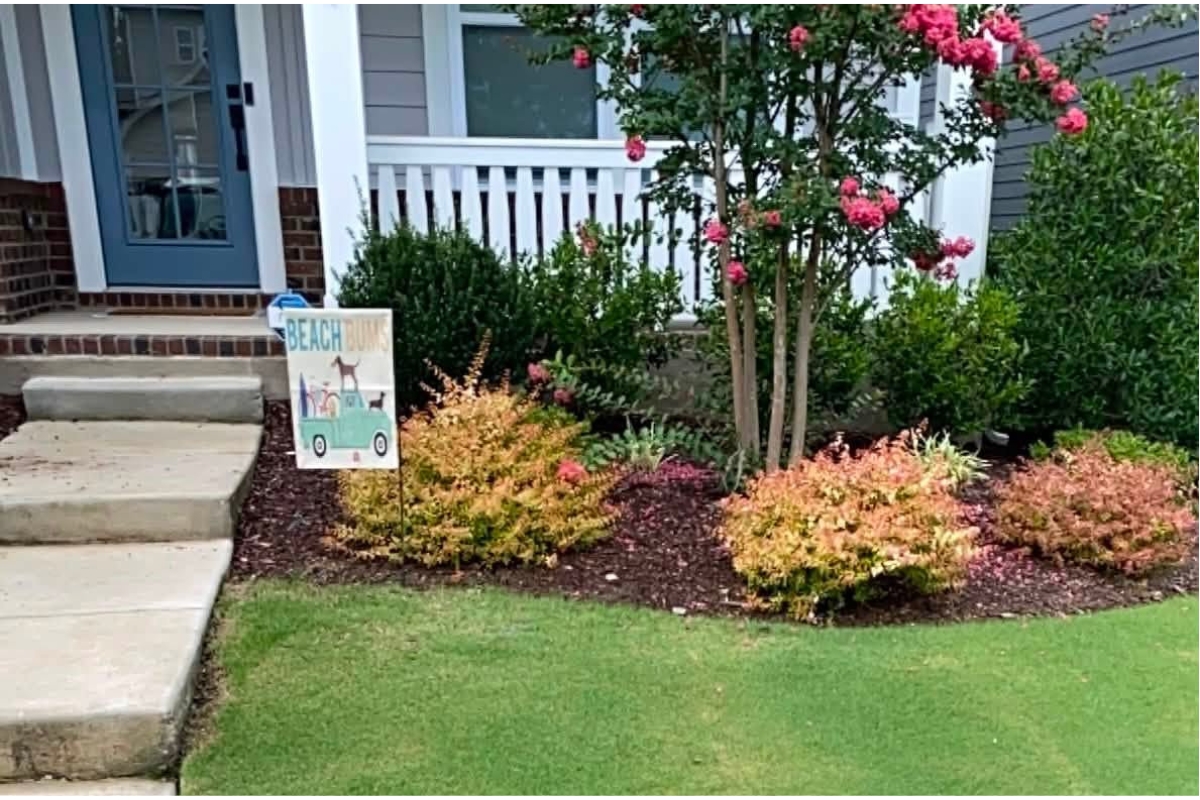
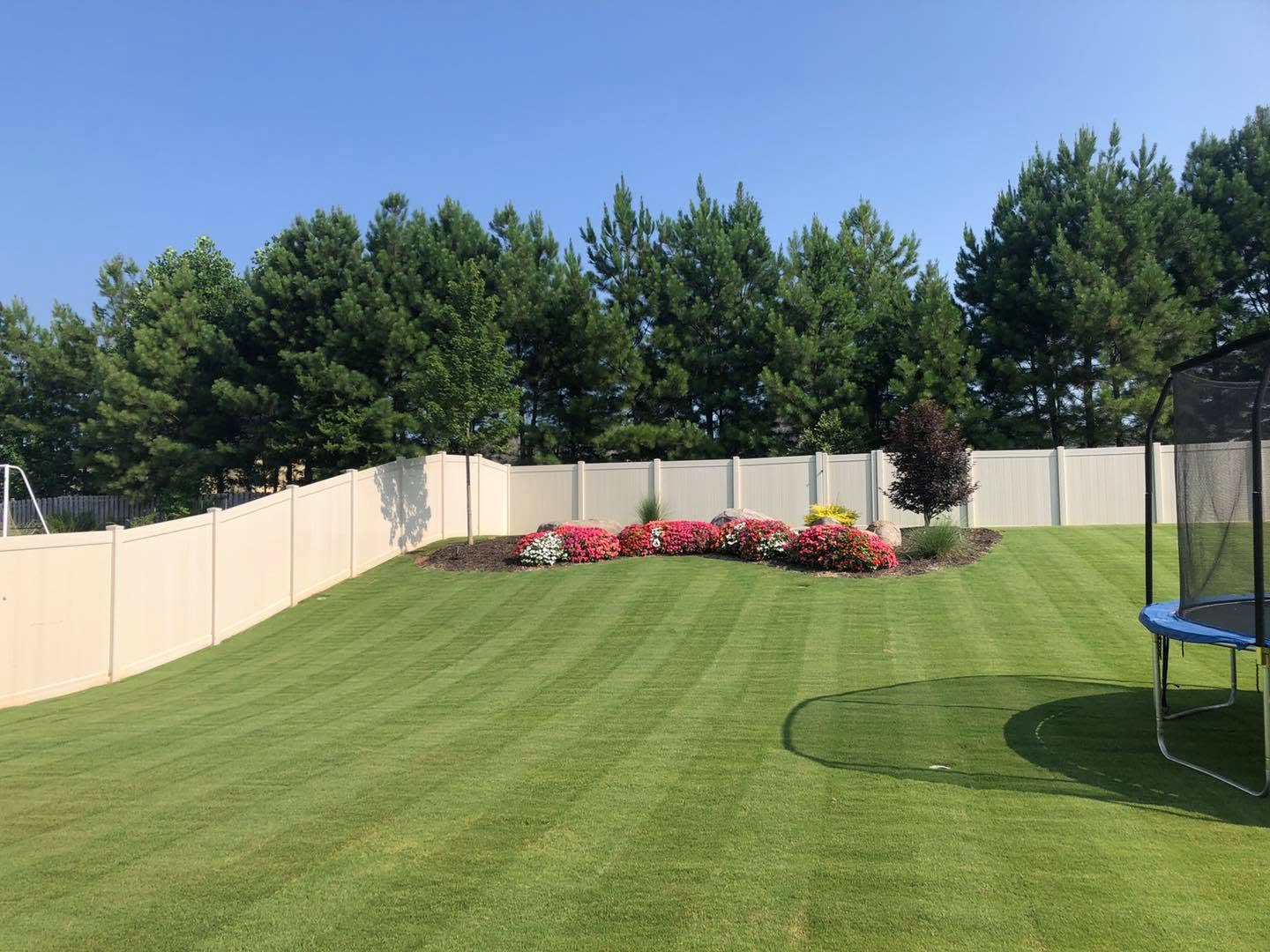
Bright blooms framed by weed-free soil instantly elevate your yard’s appearance and can even increase property value.
Preventing Weed Overgrowth and Plant Competition
Weeds steal sunlight, water, and nutrients. Removing them consistently allows flowers to thrive and prevents spread across your yard.
Boosting Plant Health and Longevity
Healthy beds lead to stronger roots, longer blooms, and better resistance to pests and disease.
Effective Weed Control Strategies for Flower Beds
Weed control works best when it’s proactive. Mulching, timing, and the right removal methods drastically reduce effort over time.
Manual Weeding vs. Chemical Solutions
Manual weeding removes roots completely, while selective herbicides help manage larger infestations. A combined approach often works best.
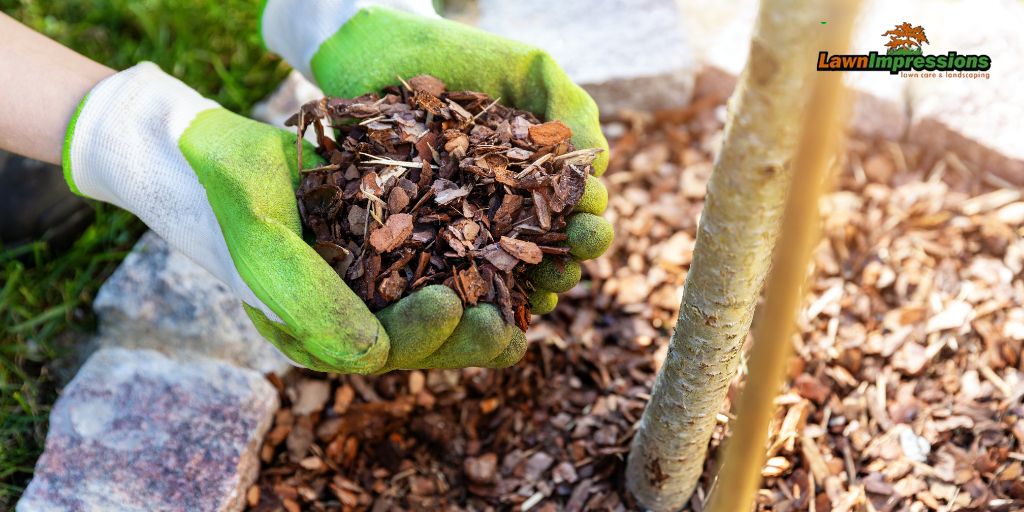
Using Mulch as a Weed Barrier
Mulch blocks sunlight, retains moisture, regulates soil temperature, and keeps beds tidy.
Seasonal Timing for Weed Removal
- Pull weeds after rain
- Apply pre-emergents in early spring
- Refresh mulch once or twice per year
Related: Pre and Post Emergent Weed Control
Soil Care and Nutrient Management
Healthy soil is the foundation of thriving flower beds. Proper soil care improves root health, nutrient uptake, and long-term fertility.
Testing Soil for Balance and pH
Soil testing reveals nutrient levels and pH so you can apply the right amendments.
Choosing the Right Fertilizer
Use balanced or plant-specific fertilizers and avoid overapplication to protect soil health.
Aerating and Refreshing Soil Regularly
Loosening compacted soil and adding compost improves airflow, drainage, and fertility.
Seasonal Flower Bed Maintenance Tips
Spring Preparation
Remove debris, test soil, edge beds, and add compost or mulch.
Summer Watering and Mulching
Water deeply and mulch heavily to protect roots from heat stress.
Fall and Winter Clean-Up
- Remove dead plants
- Prune perennials
- Add compost and insulation mulch
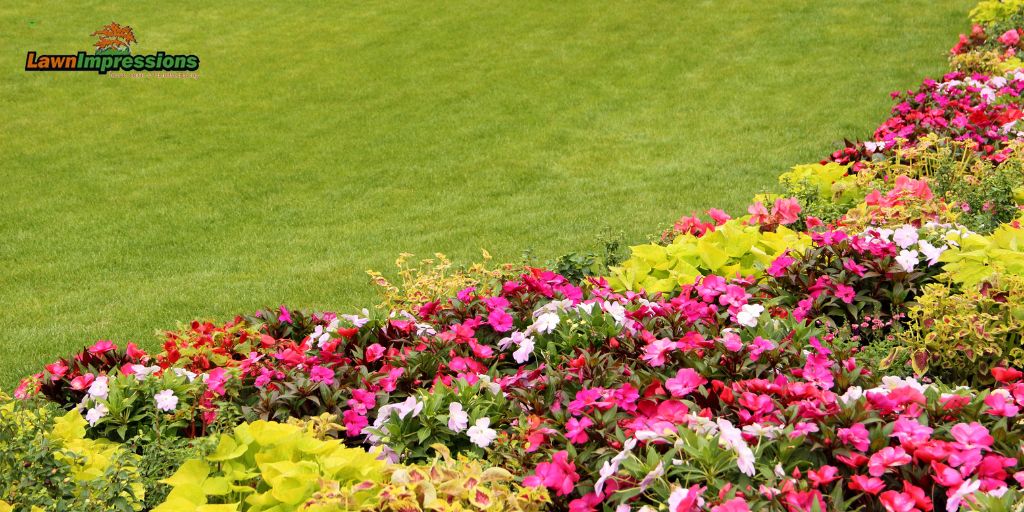
Keeping Flower Beds Looking Pristine Year-Round
Consistency is key. Simple routines for weeding, edging, and soil checks prevent major problems.
The Role of Edging and Borders
Edging keeps grass and weeds from creeping into beds and creates clean visual lines.
Incorporating Low-Maintenance Plants
Native plants and perennials reduce watering, fertilizing, and overall upkeep.
Scheduling Routine Care
Weekly light maintenance prevents time-consuming fixes later.
Building Beautiful Beds That Last
Combining weed control, soil care, and seasonal routines creates long-lasting, vibrant flower beds.
Start with flower bed maintenance—keeping beds weeded and healthy is the foundation of a beautiful yard.
Contact Lawn Impressions at 704-733-9699 or via our website.
Our Services Include:
Quick FAQs About Flower Bed Maintenance
How often should I weed my flower beds?
At least once a week to prevent weeds from spreading and competing with flowers.
What mulch works best?
Organic mulch like bark, straw, or wood chips suppresses weeds and improves soil health.
Are chemical weed killers safe?
Yes, when using selective herbicides carefully and according to label directions.