Getting Your Landscape Ready for Fall
Fall doesn’t arrive all at once in Concord. September can still bring warm afternoons, while cooler temperatures begin to change how the landscape grows. After a long summer, planting beds may need some attention before the season moves further into fall.
Some of that work is simply cleanup. Other areas may need more consideration, especially where summer growth has changed the shape of a bed or left parts of the landscape looking uneven. This is a good time to see what needs attention now and what can wait until later in the season.
Start With the Summer Cleanup
Summer growth can leave a landscape looking quite different from the way it did in spring. Shrubs may have extended beyond their original space, perennials may have spread, and grass can begin creeping into the edges of planting beds.
Heavy summer rain can also move mulch into the lawn or leave parts of the soil exposed. Cleaning up those areas now can make the landscape easier to maintain as fall progresses.
This doesn’t mean cutting everything back. Some plants are still actively growing, and others may benefit from being left alone as the season changes. The work should depend on what is growing in the bed and how it has responded to the summer.
Make Room for Fall
September is not the end of the growing season in Concord. Warm days can continue well into fall, so some plants will keep growing even as temperatures begin to change.
That makes this a useful time to look at plants that have started reaching into walkways or growing into neighboring areas. A little pruning may be enough to give them more room, while a plant that has consistently outgrown its location may need a different solution.
The goal is not to make every bed look perfectly trimmed. It is to keep the landscape manageable while allowing plants to continue growing naturally through the season.
Check the Mulch
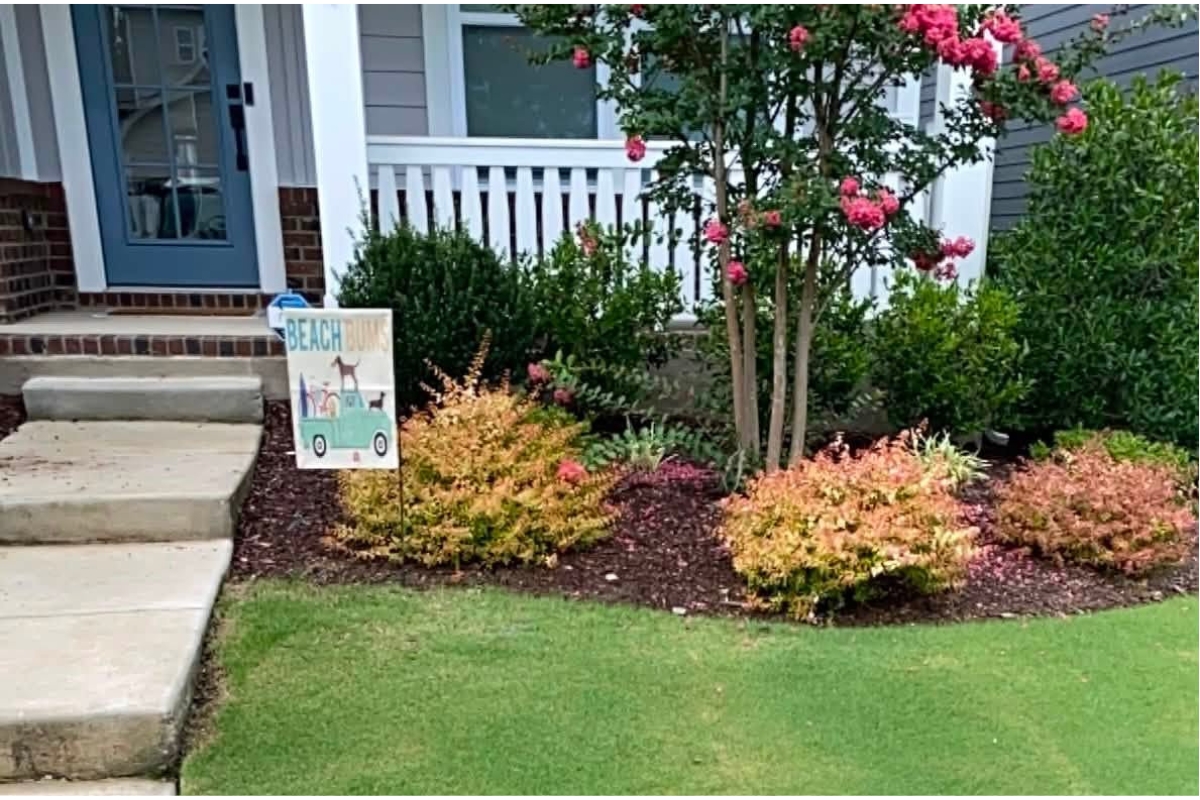
Mulch often needs attention after a long summer. Rain can wash it away from higher areas, mowing can push it toward the lawn, and some sections may become noticeably thinner than others.
Before adding more, check how much mulch is already in the bed. Areas with exposed soil may need to be refreshed, while other sections may simply need to be redistributed.
A well-maintained mulch layer also gives planting beds a cleaner appearance as the landscape moves into fall.
Take Another Look at the Shape of the Beds
The shape of a planting bed can become less defined as the season progresses. Grass may move into the edges, shrubs can extend farther than expected, and plants that looked well-spaced in spring may now fill much more of the available area.
Clean edges help separate the lawn from the beds and make the landscape easier to maintain. If a bed has gradually become difficult to manage, though, simply redefining the edge may not solve the larger issue.
Sometimes the layout needs to be adjusted so the plants have enough room and the bed works better with the surrounding landscape.
Not Everything Needs to Be Done Now
One of the benefits of working with an established landscape is knowing that not every task belongs on the same schedule. Some cleanup can be handled now, while certain pruning or planting decisions are better left for the appropriate time.
That is particularly important when working with established shrubs and perennials. Cutting something back too early or making a change at the wrong point in the season can affect how the plant performs later.
A fall maintenance plan should take the plants and the local growing conditions into account rather than treating every bed the same way.
How Lawn Impressions Approaches Fall Landscape Maintenance
At Lawn Impressions, we look at the condition of the landscape before deciding what needs to be done. We consider how the planting beds have grown through the summer, what needs attention now, and which changes are better handled later in the season.
For some properties, that may mean cleaning up established beds and refreshing areas that have become untidy. Other landscapes may need adjustments to overgrown areas or changes that will make future maintenance easier.