- Dallas, NC, United States, 28034
- contact@lawnimpressionsnc.com
Follow Us
Professional landscape bed maintenance keeps your outdoor spaces clean and well-defined by controlling weeds, refreshing mulch, and enhancing overall curb appeal.
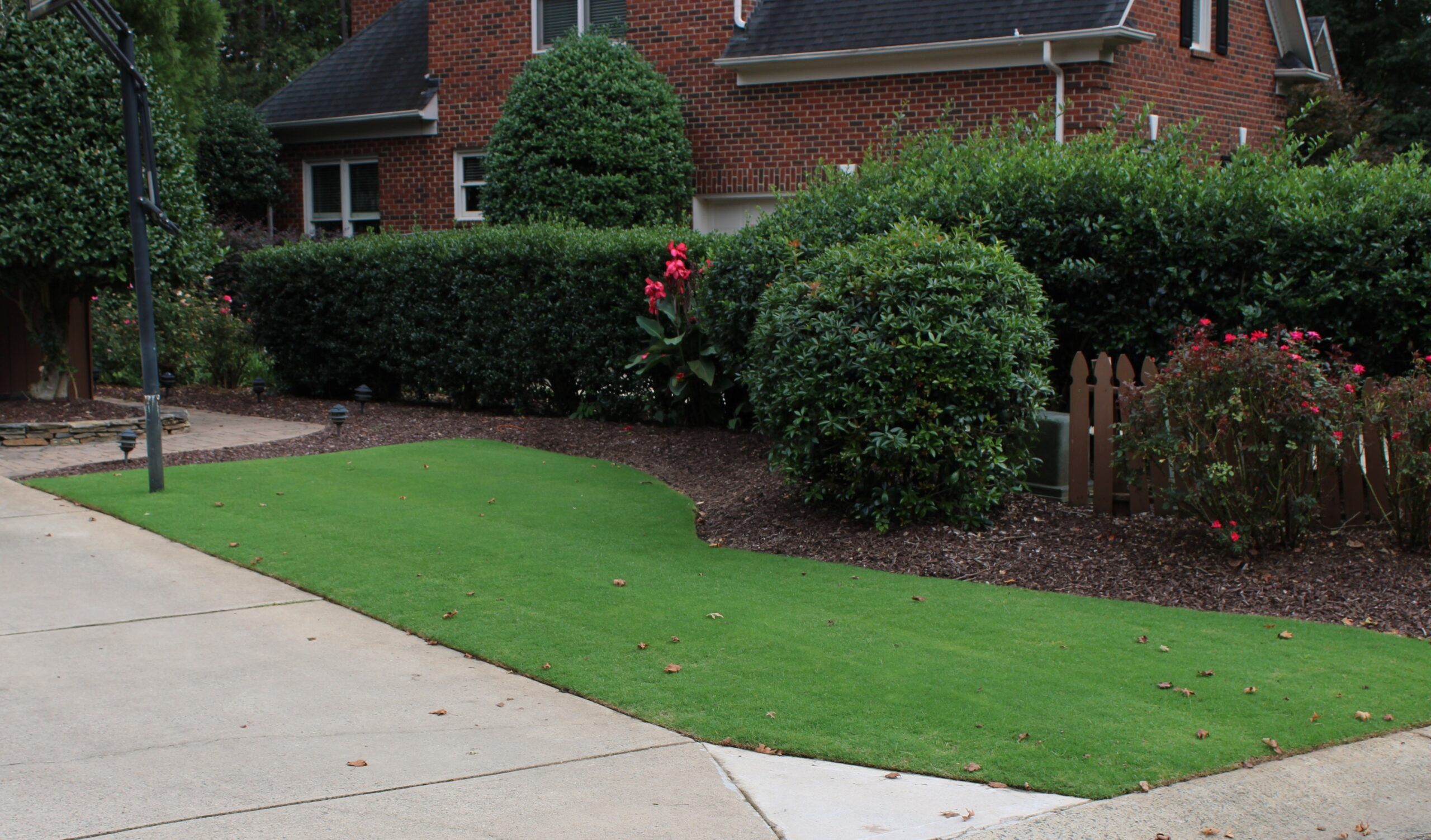
Pruning is the intentional removal of specific parts of a plant—such as branches, stems, buds, or roots—to improve its health, shape, safety, and overall appearance. It is one of the most essential practices in landscape and garden care, used to guide plant structure, encourage vigorous growth, and prevent problems before they develop.
Insect control is the practice of monitoring, managing, and reducing harmful insect populations to shrubs, trees, and ornamental plants. It focuses on identifying damaging pests early, preventing injury to plants, and maintaining a healthy, balanced landscape ecosystem.
Fungicides are products used to prevent, suppress, or eliminate fungal diseases that ornamentals, shrubs, and trees. They work by killing fungal pathogens or stopping their ability to grow and spread, helping maintain healthy, resilient landscapes.
Fungicides are most effective when applied preventatively before fungal spores infect plant tissue.
Fertilization involves adding key nutrients—primarily nitrogen (N), phosphorus (P), and potassium (K) to the soil so plants can grow vigorously, resist stress, and maintain healthy color and density. These nutrients fuel leaf growth, root development, and disease resistance.
Weed control is the practice of preventing, managing, and eliminating unwanted plants that compete with desirable turf and landscape vegetation for sunlight, water, and nutrients. Effective weed control keeps planting beds healthy, uniform, and visually appealing by reducing invasive or aggressive species.
We evaluate your lawn’s condition to identify problem areas and recommend services that support stronger turf and long-term health.
Overseeding improves lawn density, fills in bare or thinning areas, and strengthens turf, especially for cool-season grasses.
Our seasonal services are timed to match your lawn’s growth cycle, helping it transition smoothly through changing temperatures and conditions.
Targeted weed control treatments help manage existing weeds and reduce future growth, protecting the overall health and appearance of your lawn.
With dependable service, attention to detail, and a local understanding of turf care, Lawn Impressions helps homeowners maintain lawns they can be proud of in every season.
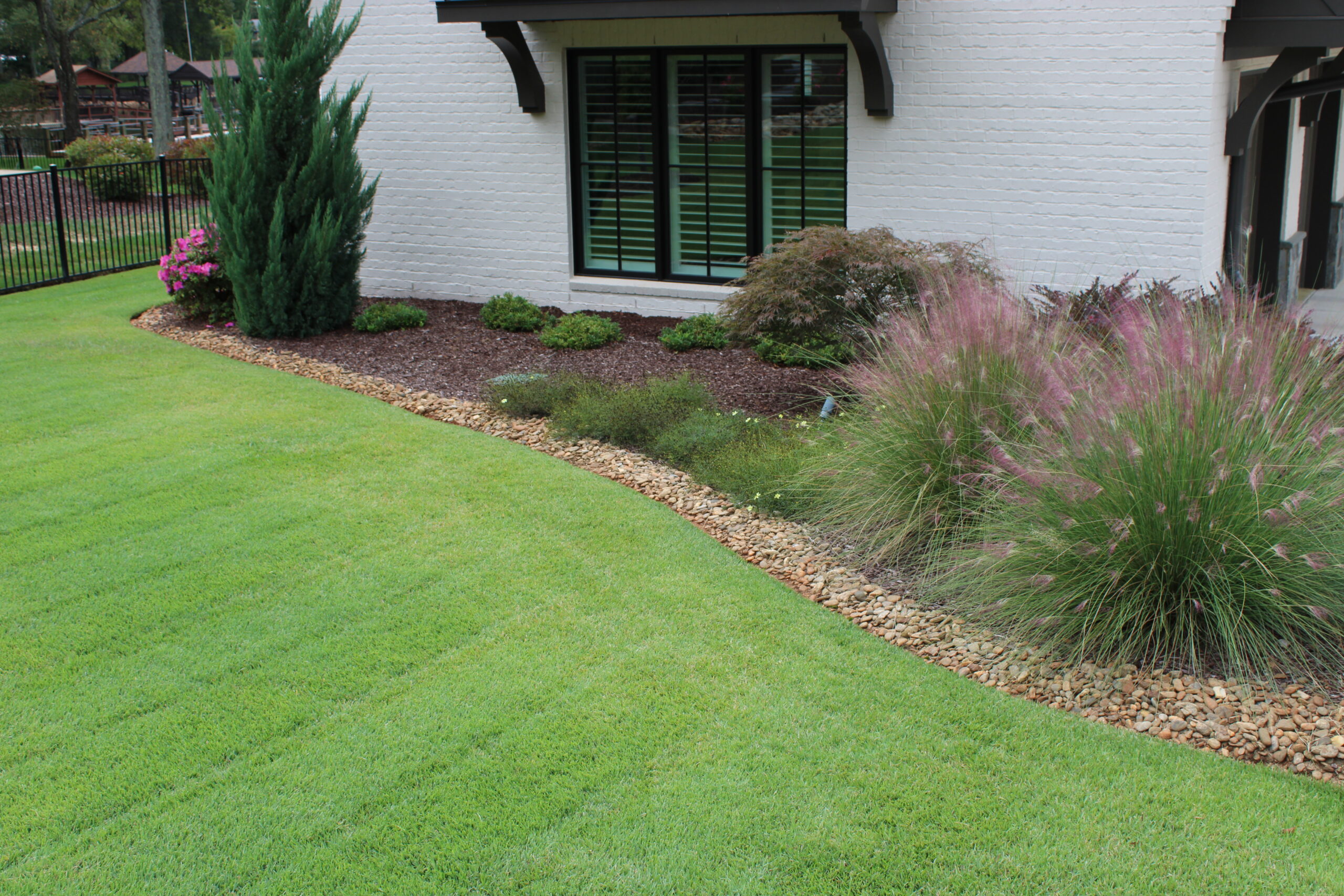
From well-maintained lawns to thoughtful landscape enhancements, we help homeowners create outdoor spaces that look great, function well, and stand the test of time.



Our clients share their experiences working with us: From strategy and execution to measurable impact.
Posted onTrustindex verifies that the original source of the review is Google. My husband and I started using Lawn Impressions about one year ago! We moved into a relatively new property and the quality of the grass seed was not optimal. Lawn impressions takes care of our fescue as well as Bermuda. Our yard looks amazing and when we have friends and family come over, they often comment on how great the grass looks. We have been very impressed with the high quality service they provide! They are always so quick to respond to any questions that I have and truly care about the work and service they provide! This is a wonderful company and I highly recommend!Posted onTrustindex verifies that the original source of the review is Google. At the beginning of the pandemic, I relocated to Concord from out of state. After several unsatisfactory experiences with temp services (e.g., Angie's list bookings) I found Lawn Impressions and started using their weekly lawn care plan. A year or so later, I contacted the owner, Elise, about doing some hardscaping in the backyard. What a great decision! She and Josh took my ideas and created a design that has exceeded my expectations as far as form and functionality. They started work on schedule and didn't stop until the projects were complete. The following spring they relandscaped my front beds (builder installed). They have a great team of employees all of whom I've come to know by name. Recently I upgraded to their "premium" lawn care service, a bundle that includes lawn care and maintenance as well as weeding all areas. Highly recommended.Posted onTrustindex verifies that the original source of the review is Google. I replaced a "national brand" lawn service with Lawn Impressions and I could not be happier. They have turned a mediocre yard into a truly beautiful lawn. Thank you!Posted onTrustindex verifies that the original source of the review is Google. Lawn Impressions do an amazing job with the care of the turf in my yard!Posted onTrustindex verifies that the original source of the review is Google. Great to work with!Posted onTrustindex verifies that the original source of the review is Google. Awesome work! Love these guys!Posted onTrustindex verifies that the original source of the review is Google. Josh and his crew did an outstanding job with my landscaping needs!! I had a moderately sized mulch job that he took care of for me, and being under a time crunch, he was able to help us out, even though his schedule was pretty tight. Kudos to the high quality work!! I will definitely use this company for future landscape needs!! Outstanding work!!
