By midsummer, lawn care shifts from promoting growth to building resilience.
Earlier in the season, most properties throughout Locust look remarkably alike. Grass grows actively, temperatures stay manageable, and spring rainfall gives turf a strong start. A few months later, the differences become hard to ignore.
Some lawns stay healthy through weeks of heat and sun. Others lose color, thin out, or develop stressed patches that seem to appear almost overnight.
Watering is often assumed to be the deciding factor. Irrigation matters, but it’s rarely the only reason one lawn outperforms another. Working throughout Locust, we’ve found that summer tends to surface conditions that have been developing beneath the ground for months.
Large Open Lawns Face Unique Challenges
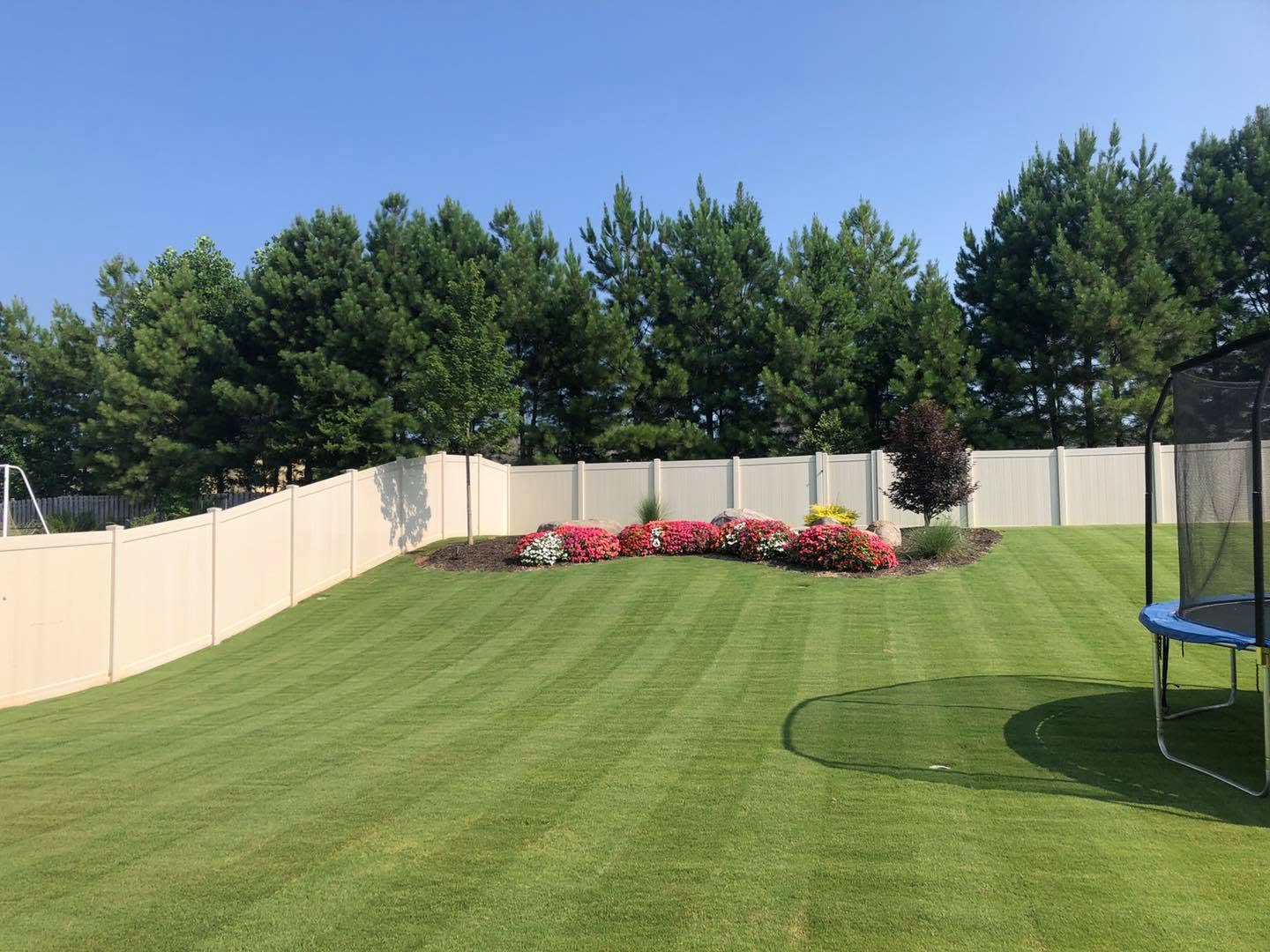
Many properties in and around Locust feature generous open lawn space. Compared to more densely developed areas, these lots receive extended hours of direct sunlight throughout the day.
In spring, that exposure can fuel strong growth. In summer, it adds stress — especially when rainfall becomes unpredictable and temperatures stay consistently high.
It’s not unusual to see a lawn that looked excellent in May begin showing strain by late July. In most cases, those visible changes are simply revealing conditions that were already present beneath the surface.
What Happens Below Ground Usually Matters Most
The appearance of a lawn tells only part of the story.
Root development, soil structure, drainage patterns, and moisture retention all shape how grass responds to summer heat. Two neighboring properties can experience identical temperatures and rainfall and still produce very different results.
This is why lawn problems often feel sudden. The symptoms may appear quickly, but the underlying causes have typically been building for much longer.
Summer Has a Way of Revealing Patterns
After working on properties across the area, we’ve noticed that certain warning signs tend to repeat during the hottest months:
- Areas that dry out faster than the rest of the lawn
- Thin or patchy turf near driveways, walkways, or high-traffic zones
- Sections that stay stressed even after rainfall
- Uneven color across different parts of the property
- Spots where grass struggles year after year despite regular care
These patterns are rarely random. Over time, they tell the story of how a property responds to sunlight, drainage, foot traffic, and seasonal weather. Understanding those patterns is often more useful than focusing on the symptoms alone.
Strong Summer Lawns Usually Start Earlier in the Year
One of the most consistent things we’ve observed is that strong summer performance is usually the result of decisions made much earlier in the season.
Lawns with healthy root systems, balanced growing conditions, and consistent maintenance handle heat more effectively than those already under stress when summer arrives. By the time temperatures peak, most of the factors influencing lawn performance are already locked in.
Summer doesn’t create every lawn problem. More often, it exposes the strengths and weaknesses that have been building all year.
Understanding why a lawn responds differently in summer is often the first step toward improving long-term performance. While every property has its own challenges, recognizing recurring patterns leads to smarter decisions about care and maintenance.
Lawn Impressions provides professional lawn care and landscaping services throughout Locust, NC and surrounding communities. Contact our team to discuss the specific needs of your property.