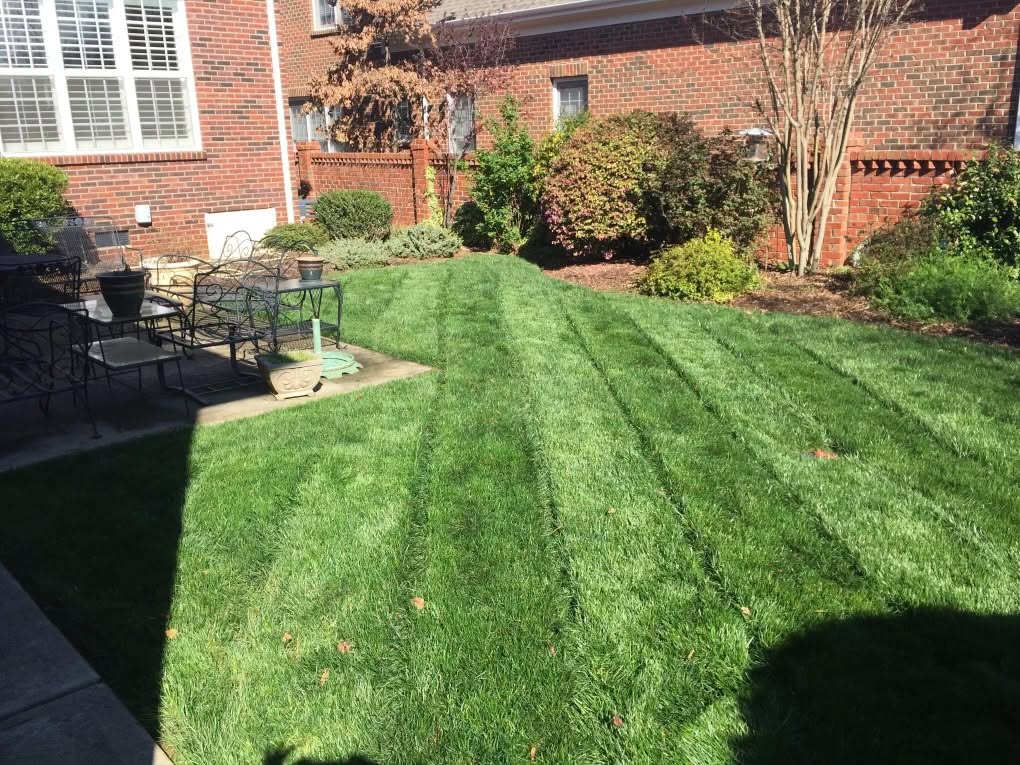
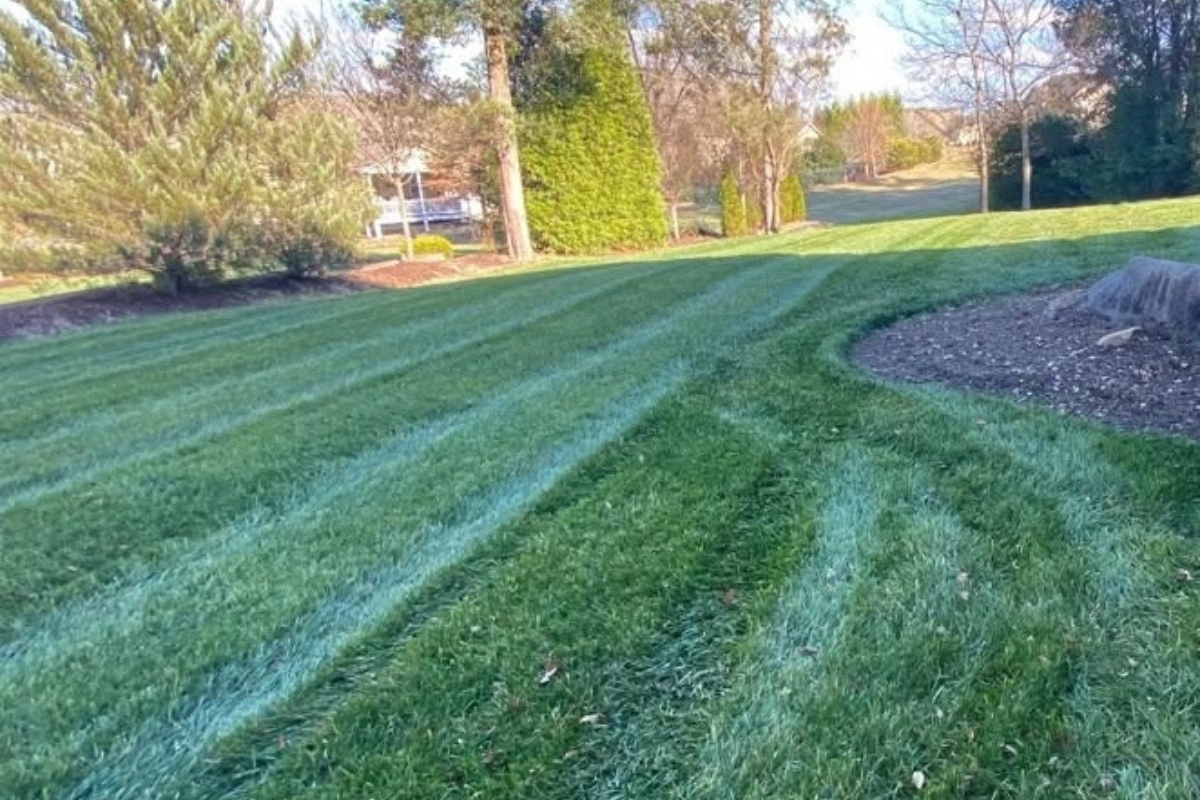
Do you ever feel like no matter how much water you pour on your lawn, it’s still patchy, dry, or unhealthy? You’re not alone. A lush, green lawn is the dream of most homeowners, but achieving it isn’t always as simple as turning on the hose.
Overwatering can lead to mold and fungus, while underwatering stresses your lawn and makes it vulnerable to bare patches. The good news? Learning proper watering techniques can completely transform your lawn’s health.
In this guide, you’ll discover expert-approved strategies to water your lawn effectively—without wasting water or money.
How Much Water Is Enough for Your Lawn?
Most lawns require about 1 inch of water per week, including rainfall. However, grass type and soil conditions can affect this amount.
Know Your Grass Type
- Cool-season grasses (Fescue, Ryegrass): 1–1.5 inches per week
- Warm-season grasses (Bermuda, Zoysia): ~1 inch per week
Knowing your grass type helps you tailor watering schedules and avoid stress or disease.
Soil Plays a Big Role
- Sandy soil: Drains quickly — water more frequently
- Clay soil: Holds water — water deeply, less often
- Loam soil: Ideal balance of drainage and retention
Pro Tip: A soil test is worth the effort for long-term lawn health.
Stick to the Weekly 1-Inch Rule
Place a shallow container on your lawn during watering. When it reaches one inch, you’re done.
When and How Often Should You Water Your Lawn?
Morning Is Best
Water between 6 a.m. and 9 a.m.. Cooler temperatures reduce evaporation and allow grass to dry before nightfall.
Avoid Midday & Night Watering
Midday watering evaporates too quickly, while nighttime watering increases fungal risk.
Signs Your Lawn Needs Water
- Grass blades folding or wilting
- Footprints lingering
- Dry soil resisting a screwdriver test
Tools of the Trade: Choosing the Best Watering Equipment
Sprinkler Systems
- Oscillating sprinklers for rectangular lawns
- Rotary sprinklers for large areas
- Smart sprinkler systems with weather sensors
Drip Irrigation & Soaker Hoses
- Deliver water directly to roots
- Reduce evaporation
- Ideal for beds, shrubs, and clay soil
Rain Gauges & Timers
Use a rain gauge to track weekly totals and timers to prevent overwatering.
Fighting Problems: Overwatering vs Underwatering
Signs of Overwatering
- Yellowing grass
- Pooling water
- Spongy turf
Signs of Underwatering
- Brown or gray grass
- Footprints remain visible
- Grass blades curl
Aeration, reseeding, and balanced watering help lawns recover.
Water-Saving Hacks for a Greener Lawn
Use Mulch
Mulch reduces evaporation and keeps soil cool.
Install Smart Irrigation
Smart systems automatically adjust watering based on weather conditions.
Adjust for Weather
Skip watering after rain and increase slightly during extreme heat.
Avoid Runoff
Water in shorter cycles to allow soil absorption.
Start Watering the Right Way
Proper watering is the foundation of a healthy lawn. By understanding your grass, soil, timing, and tools, you can maintain a lush lawn without wasting water.
Take action today—test your soil, adjust your schedule, or upgrade your irrigation system.
Quick FAQs About Watering Best Practices
How often should I water my lawn?
2–3 deep watering sessions per week totaling 1–1.5 inches.
How do I know if I’m overwatering?
Yellow grass, mushy soil, and standing water are key signs.
What tools help conserve water?
Smart sprinklers, rain gauges, timers, and soaker hoses.
Ready to Transform Your Outdoor Space?
Let the professionals at Lawn Impressions handle your landscaping, hardscaping, and turf care needs.
Call 704-733-9699 or visit our website to get started.
Our Services Include:
- Turf Care
- Landscaping
- Hardscaping
You’ll Also Like:
- Eco-Friendly Landscaping: Sustainable Practices for a Greener Lawn
- Mastering Turf Care: Expert Tips for a Lush Lawn
- Transforming Your Concord Home with Budget-Friendly Landscaping