Many homeowners want a yard that feels inviting, but problems often appear when the ground settles, paths crack, or outdoor plans do not match the space. These issues build slowly and make the yard harder to use. When slopes shift or soil washes out, it becomes difficult to decide where a new patio should go or how a walkway should fit the yard. In Concord, NC, the mix of rain, sun, and clay soil adds extra challenges, so projects require strong planning from the start.
When these problems repeat, families may feel unsure about how to fix the space or where to begin. Walkways may feel uneven, and patios may not line up with gathering areas. Even simple plans can feel out of reach without clear structure. With the right approach to landscape hardscape design in Concord, NC, the yard gains direction. This provides a steady way to shape patios, walkways, and walls that support daily outdoor use.
Planning the Outdoor Base
Planning the outdoor base begins by viewing the yard as one connected space. Instead of focusing on separate features, the goal is to understand how the ground, sunlight, soil, and nearby structures work together. These early observations guide decisions about where heavy features should sit and where people will move most often.
This planning also considers how water moves through the yard and how slopes affect each area. Details like puddle zones, shaded corners, or narrow sections play a major role in shaping the layout. Working with the land rather than against it creates a stable foundation for patios, walkways, and walls.
Reading the Space Needs
Observe where people gather, which areas receive the most sunlight, and where the ground stays firm. This helps determine patio size, walkway direction, and wall placement. Designs based on real use patterns are more practical and easier to follow.
Marking Functional Zones
Dividing the yard into functional zones gives each area a clear purpose. One zone may support a patio, another a walkway, and another planting beds. These zones guide movement and help features connect naturally, creating balanced flow throughout the yard.
Checking Material Fit
Some materials perform better in damp soil, while others need firmer support. Reviewing textures, colors, and durability ensures features blend well and hold up over time. Proper material selection prevents future issues and keeps the design consistent.
Related: Designing Functional Outdoor Living Spaces with Hardscaping
Building Patio Structure
A patio often serves as the main gathering space, so its base must stay level and support regular use. This stage focuses on shaping the ground to create a stable surface that lasts through changing weather conditions.
Strong patios rely on layered foundations that include compacted stone, sand leveling, and edge restraints. When these layers are built correctly, the surface stays flat and future updates become easier to manage.
Setting the Ground Layer
The ground layer begins with clearing roots, loose soil, and weak spots. A compacted base is then added to support the patio and prevent sinking during rain or heavy use.
Forming the Patio Lines
Borders help define how the patio connects to the home and yard. Straight lines create a clean look, while curved edges offer a softer feel. Clear layout lines make construction easier and improve usability.
Placing the Surface Pattern
Surface patterns bring the patio design together. Stones are placed tightly to avoid gaps and create secure footing.
- Creates stable footing for gatherings
- Supports long-term durability
- Improves comfort and usability
Related: The Art of Hardscaping: Transforming Outdoor Spaces in Concord, NC
Shaping Walkway Routes
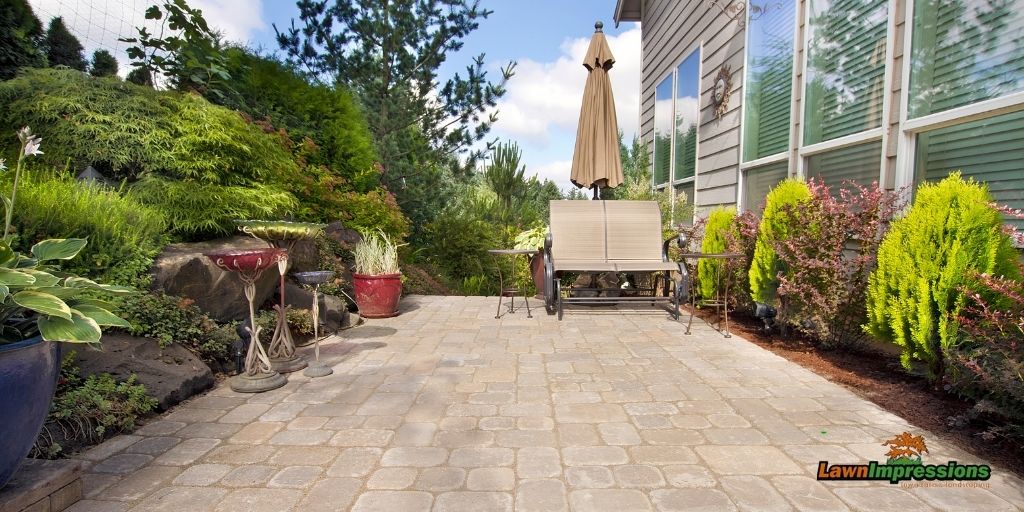
Walkways guide movement through the yard, connecting features naturally. Observing where people already walk helps shape paths that feel intuitive and reduce wear on grass.
Well-planned walkways improve flow and make outdoor areas easier to use by connecting patios, walls, and garden beds smoothly.
Tracing Main Paths
Natural footpaths often reveal the best walkway direction. These routes help determine whether a path should be straight or gently curved.
Related: Bermuda Grass vs Fescue vs Zoysia
Choosing Walkway Width
Wider paths allow side-by-side walking, while narrower paths work well in quiet garden areas. Testing widths with markers helps ensure comfort and balance.
Aligning Edges and Curves
Clean edges keep materials in place, while gentle curves help walkways follow the land’s shape. Proper alignment improves both structure and appearance.
Forming Retaining Walls
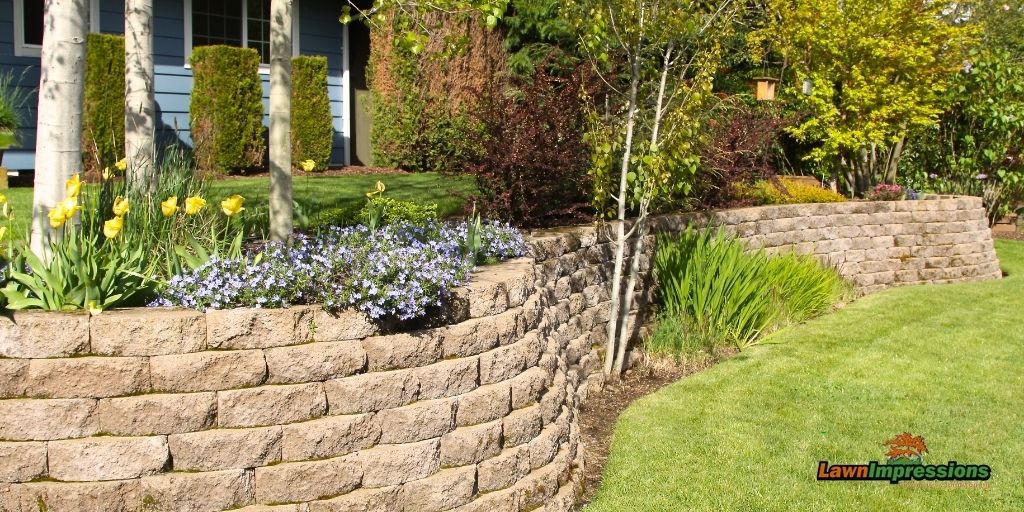
Retaining walls stabilize slopes, prevent soil movement, and support raised areas. Planning considers slope height, soil type, and pressure requirements.
Walls also help manage water flow by directing runoff away from vulnerable areas. When planned well, they connect smoothly with patios and walkways.
Preparing the Wall Base
The base is formed by digging a trench and adding compacted stone. A strong base prevents tilting as soil settles.
Fitting Block Rows
Blocks are placed tightly and leveled with each row. Staggered layouts help distribute pressure evenly.
Securing Wall Support
Drainage gravel and fabric liners reduce water pressure and help the wall remain stable through seasonal changes.
- Reduces soil pressure
- Stabilizes slopes
- Improves long-term usability
Finalizing Outdoor Flow
This stage focuses on transitions between patios, walkways, and walls to ensure smooth movement. Visual openness and comfortable spacing make the yard feel welcoming.
Water flow, soil placement, and planting areas are also reviewed to keep the yard balanced and functional long term.
Linking Hardscape Areas
Smooth transitions between surfaces improve comfort and usability. Testing movement across the yard ensures everything feels natural.
Managing Water Direction
Gentle slopes, drains, and gravel beds help move water away from structures and prevent pooling.
Related: Watering Best Practices
Creating Low-Upkeep Edges
Borders along walkways and patios keep soil and mulch contained. Defined edges make cleanup easier and reduce maintenance.
Final Thoughts on Building a Strong Outdoor Space
A well-planned outdoor space works best when every element connects naturally. Patios, walkways, and walls feel stronger when designed to follow the yard’s layout.
Hardscape features add long-term value when placement and structure are planned carefully. Clear flow makes future updates easier.
With the right approach to landscape hardscape design in Concord, NC, homeowners gain an outdoor space that stays practical, organized, and enjoyable year-round.
Your outdoor space deserves a clear plan that brings every idea together.
If you want a patio, walkway, or retaining wall built with care, Lawn Impressions is ready to help. Call (704) 733-9699 or use the online form to get started.
Let your yard grow into a space that’s easy to use and easy to love.
Our Services Include:
Quick FAQs About Landscape Hardscape Design in Concord, NC
What is hardscape design and why is it important?
Hardscape design focuses on building solid outdoor features like patios, walkways, and retaining walls. These structures create stable, low-maintenance spaces that improve usability.
What materials work best for walkways?
Pavers, natural stone, and concrete provide durable, weather-resistant surfaces suitable for daily use.
When is a retaining wall needed?
Retaining walls are necessary for slopes, erosion control, and creating level areas for outdoor features.