
Many homeowners want a yard that feels inviting, but they often run into problems when the ground settles, paths crack, or outdoor plans do not match the space. These issues build up slowly and make the yard harder to use. When slopes shift or soil washes out, it becomes tough to decide where a new patio should go or how a walkway should fit the yard. In Concord NC, the mix of rain, sun, and clay soil adds more challenges, so projects need strong planning right from the start.
When these problems repeat, families may feel unsure about how to fix the space or where to begin. Walkways may feel uneven, and patios may not line up with the areas where people gather. Even simple plans feel out of reach without a clear structure for the yard. With the right approach to landscape hardscape design in Concord NC, the yard gains a path forward. This gives homeowners a steady way to shape patios, walkways, and walls that fit together and support daily outdoor use.
Table of Contents
- Planning the Outdoor Base
- Building Patio Structure
- Shaping Walkway Routes
- Forming Retaining Walls
- Finalizing Outdoor Flow
- Final Thoughts on Building a Strong Outdoor Space
- Quick FAQs About Landscape Hardscape Design in Concord NC
Planning the Outdoor Base
Planning the outdoor base begins with looking at the whole yard as one connected space. Instead of thinking about separate features, the goal is to understand how the ground, sunlight, soil, and nearby structures all work together. These early observations guide choices about where heavy features should sit and where people will move most. When you start with this big-picture view, you can spot areas that need leveling or places that might not hold weight well. This stage sets the direction for a yard that feels organized and easy to shape.
This planning also looks at how water moves through the yard and how slopes affect each part of the design. Simple details like puddle spots, shaded corners, or narrow areas play a big role in shaping the final layout. You can place patios, walkways, and walls in ways that work with the land rather than against it. Planning at this level keeps the yard steady and ready for the next steps in outdoor living design. It gives the whole space a strong foundation before materials are chosen.
📏 Reading the Space Needs
Look at where people gather, which areas get the most sunlight, and where the ground stays firm to help you decide the size of the patio, the direction of the walkway, and the shape of the wall. This plan becomes more practical and easier to follow, creating a design that fits real habits and not just ideas on a sketch.
🗂️ Marking Functional Zones
Marking functional zones divides the yard into simple sections that each serve a purpose. One zone may hold the patio, another may guide the walkway, and another may support planting beds. These zones help shape how people move and how features connect, making the stone walkway ideas and patio layouts become easier to form. Zones also help balance busy areas with quiet ones, giving the yard a natural flow.
🧱 Checking Material Fit
Some materials work better in damp soil, while others need a firm base or extra support. Look at colors, textures, and patterns to see how the features will blend. A good match gives the project a steady start. This step prevents future problems by choosing materials that hold up well and look consistent across the yard.
RELATED: Designing Functional Outdoor Living Spaces with Hardscaping: Patios, Decks, and Fire Pits
Building Patio Structure
A patio often serves as the central point for gatherings, so the base must be strong enough to hold weight and stay level over time. This stage focuses on shaping the ground to support steady use throughout the year. Look at how people move across the yard then you can decide the best access points, entry spots, and views from the home.
A patio also relies on layers beneath the surface to keep it stable. These layers include compacted stone, sand leveling, and edging that keeps everything in place. When the foundation is planned carefully, the surface stays flat even when the weather changes. This system-level approach also makes future updates easier because the structure has a clear base that supports new materials. Planning at this level sets the stage for designs that last and match the ideas of outdoor living design in Concord NC.
⛏️ Setting the Ground Layer
Setting the ground layer begins by clearing and leveling the soil by removing old roots, loose dirt, and soft patches that may shift later. Once the area is clear, add a compacted base to give the patio a firm structure to ensure the patio stays even and prevents sinking during rain or heavy use. The ground layer must be thick enough to hold the chosen materials.
📐 Forming the Patio Lines
You can map out borders that guide how the patio connects to the home and the rest of the yard. Straight lines create a clean look while curved lines offer softer movement. These lines help you set the edges and mark where materials will sit. The layout also helps define areas for seating, grills, or simple gathering spots. Clear lines make the patio easier to build and easier to use.
🔶 Placing the Surface Pattern
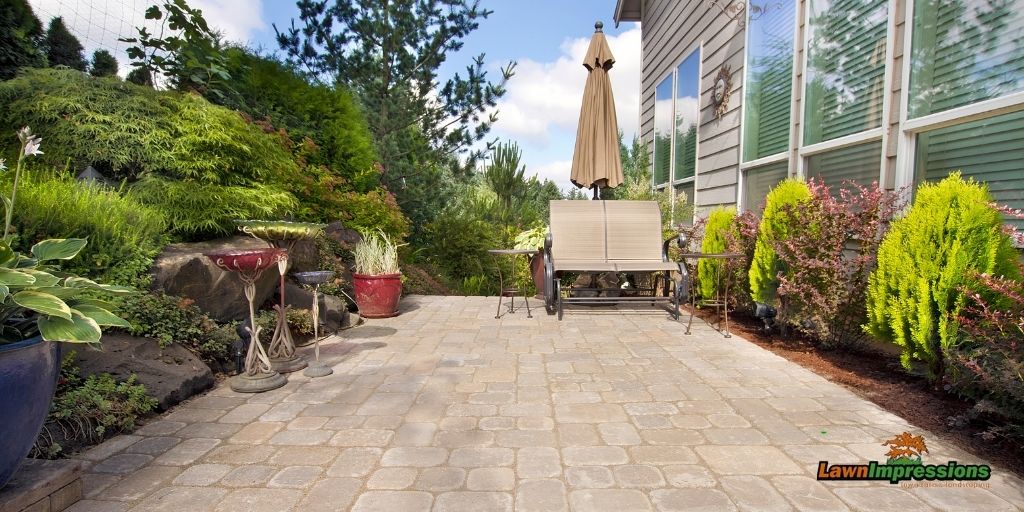
Placing the surface pattern brings the patio design to life. These patterns may include simple rows, basket style shapes, or mixed textures for more detail. The goal is a surface that looks good and stays secure. Patterns are placed carefully so each stone fits tightly without gaps making the patio feel steady underfoot.
- Helps create stable footing for gathering areas
- Supports long-term strength during weather changes
- Makes the patio easier to use and enjoy
RELATED: The Art of Hardscaping: Transforming Outdoor Spaces in Concord, NC
Shaping Walkway Routes
Walkways are more than paths; they guide movement from one feature to the next. Pay attention to the areas people naturally step toward, such as the patio, garden beds, or side entry points. This helps create a simple path that feels natural to follow. The walkway must also fit the yard’s shape so it does not feel tight or out of place.
When the route is shaped well, the yard becomes easier to use because each part connects smoothly. Look at slopes, shaded areas, and common access spots to make sure the walkway sits where it feels useful to focus on how the walkway works with patios, retaining walls, and garden areas rather than how it looks alone.
🚶♂️ Tracing Main Paths
Many yards develop simple trails that show the natural flow of movement. These trails show the walkway’s direction. It reduces wear on the grass and guides people easily to the main features. This step also helps decide if the walkway should be straight or gently curved, tracing a clear route that fits daily use.
RELATED: Bermuda Grass VS Fescue Grass VS Zoysia Grass
📏 Choosing Walkway Width
A wider path may help two people walk side by side, while narrow paths may work in quiet garden zones. The width must also match the surrounding plants and structures so the area feels balanced. You can test the width by placing markers on the ground and checking how it feels to walk through. Simple checks like these help shape a walkway that feels comfortable and practical.
🔄 Aligning Edges and Curves
Clean edges keep stones in place, while gentle curves help the walkway follow the land’s shape. This step also determines where borders should sit to keep soil and mulch away from the walking surface so the walkway feels steady and easy to follow. A well-aligned route supports both structure and style.
Forming Retaining Walls
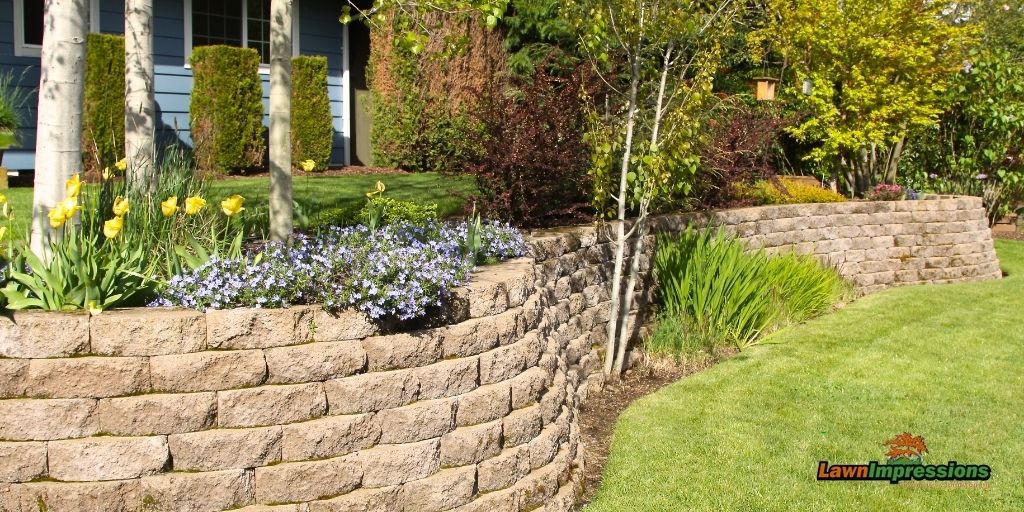
This feature does more than create a boundary. It steadies the ground by keeping slopes from shifting and offering support for raised sections. Look at the height of the slope, the soil type, and the amount of pressure the wall must carry. These details help shape the overall structure before any blocks are laid. Viewing from this larger angle, retaining walls become a steady anchor for the whole landscape.
A well-planned retaining wall also shapes how water moves through the yard. It helps direct water away from soft areas and toward safer routes. This planning stage also reviews how the wall will connect with patios, walkways, and planting zones. With careful planning, the wall forms a simple, strong foundation that supports long-term landscape grading and outdoor use.
🪨 Preparing the Wall Base
Preparing the wall base starts by clearing and leveling the ground where the wall will sit. Dig a trench wide enough and deep enough to hold the bottom row of blocks. Add a layer of compacted stone so the wall stays level across every row, preventing tilting as the soil settles. A strong base sets the direction for the rest of the build.
🧱 Fitting Block Rows
Fitting block rows involves placing each block tightly against the next to keep the wall steady. Make sure the rows sit straight and follow the planned line. Some walls need staggered rows to spread pressure and keep the structure firm. As the wall rises, check each layer to ensure it stays level. A well-fitted row helps the wall stand up to daily stress.
🛠️ Securing Wall Support
You may install drainage lines or add gravel behind the wall so water does not build up. Some walls need fabric liners to keep soil from slipping through gaps, slowing down pressure and keeping the wall stable as seasons change. Strong support gives the wall the balance it needs.
- Reduces soil pressure with proper drainage
- Keeps slopes steady during rain and dry seasons
- Helps outdoor areas stay level and easier to use
Finalizing Outdoor Flow
This stage looks at the transitions between patios, walkways, and retaining walls so movement feels steady and clear. Check how people step from one surface to the next, making sure no areas feel crowded or uneven. You may also look at how the yard opens up visually, since a clean layout helps the space feel calm and welcoming.
Outdoor flow also depends on how water, soil, and plant beds sit around the hardscape areas. Simple adjustments like shaping small slopes or placing borders help guide water in the right direction. The layout also considers where softer elements meet solid surfaces, which keeps the yard balanced and ready for long-term use. These steps tie the yard together so each feature works with the others instead of feeling separate.
🔗 Linking Hardscape Areas
Linking hardscape areas creates natural paths from one feature to another. You can check the height of edges, the spacing between surfaces, and the comfort of each transition. Test how easy it feels to move across the yard. A clean connection creates a stable rhythm for the entire yard.
💧 Managing Water Direction
Shape gentle slopes that encourage water to move away from patios and walkways. You may add drains or gravel beds to keep water from pooling near the house, protecting retaining wall systems and keeping soil from shifting. When water moves smoothly, the yard feels cleaner and stays healthier through each season.
RELATED: Watering Best Practices: How to Water Your Lawn Effectively
🌿 Creating Low-Upkeep Edges
Creating low-upkeep edges helps the yard stay neat with less effort. Place borders along walkways and patios to keep mulch and soil from sliding onto the surface. Stones or small pavers often help define edges and keep plants from spreading too far. Edges like these make it easier to clean the yard after storms or windy days. With simple boundaries in place, the yard stays organized and easy to maintain.
Final Thoughts on Building a Strong Outdoor Space
A well-planned outdoor space grows stronger when each part is shaped with care and purpose. Patios, walkways, and walls work best when the ground, movement, and structure all connect in a clear pattern. They can feel steady and comfortable to use every day as long as they follow the natural layout of the yard. With thoughtful planning, each layer of the yard becomes easier to understand and easier to maintain.
Hardscape features also bring long-term strength when the base, placement, and flow are planned step by step. The yard begins working like a simple system where each part supports the next. Walkways guide movement, patios form gathering points, and walls keep the land balanced. When these elements fit well, the outdoor space becomes more inviting without feeling crowded. This connection makes it easier to add new features later because each part already has a strong place in the design.
As the yard grows into a clearer layout, families gain a space that stays practical and enjoyable throughout the year. A guided approach to landscape hardscape design in Concord NC builds confidence in every step, from the first marking on the ground to the final stones set in place. Homes gain more value, and outdoor time becomes easier to enjoy. With the right structure in place, the yard can continue to evolve while staying grounded in strong design.
Your outdoor space deserves a clear plan that brings every idea together.
If you want a patio, walkway, or retaining wall shaped with care, the team at Lawn Impressions is ready to guide your next step. You can call now at (704)-733-9699 or send a quick online form to share what you want for your yard. Our crew listens, checks your space, and helps you understand the best way to build something strong and simple to enjoy every day.
Let your yard grow into a place that feels easy to use and easy to love.
Our Services Include:
Quick FAQs About Landscape Hardscape Design in Concord NC
1. What is hardscape design and why is it important?
Hardscape design focuses on building solid outdoor features like patios, walkways, and retaining walls. It is important because these structures create stable, low-maintenance spaces that improve yard function and support outdoor living.
2. What materials work best for walkways?
Pavers, natural stone, and concrete are the most reliable walkway materials. They offer strong footing, weather resistance, and long-lasting structure for everyday use.
3. When do homeowners need a retaining wall?
A retaining wall is needed when a yard has slopes, soil erosion, or uneven ground. It keeps soil in place, supports landscape grading, and creates level areas for outdoor features.
YOU’LL ALSO LIKE:
- Flower Bed Maintenance: Keeping Your Flower Beds Weeded and Pristine
- Low-Voltage Landscape Lighting and How it Can Improve Landscaping in Concord, NC and its Surrounding Areas
- Transforming Your Concord Home: Budget-Friendly Beauty with Landscaping in Concord, NC